Latest News






Top Story
 Mines Ministry vows to end delays in dispute resolution
 The Ministry of Mines and Mining Development has pledged to speed up and improve fairness in the handling of mining disp...
Top Story
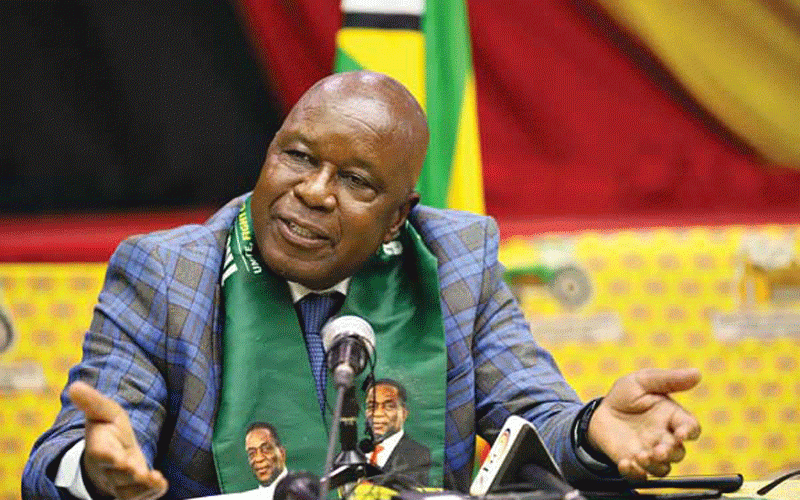
 Ramaphosa disowns 'shady' Chivayo
 Cyril Ramaphosa's recent visit to Zimbabwe has reignited scrutiny over President Emmerson Mnangagwa's close business ass...
Top Story
 Trump admin launches $166B tariff refund portal
 The Trump administration on Monday launched a new system to begin refunding $166 billion in tariffs to U.S. importers af...
Top Story
 Gold-backed ETF set for VFEX debut
 First Mutual Holdings Limited (FMHL) has launched a US dollar-denominated investment product designed to give local inve...
Top Story
 Zimbabwe defends high interest rates
 The government has defended Zimbabwe's high interbank policy rate, arguing that strict monetary measures introduced in ...
Top Story
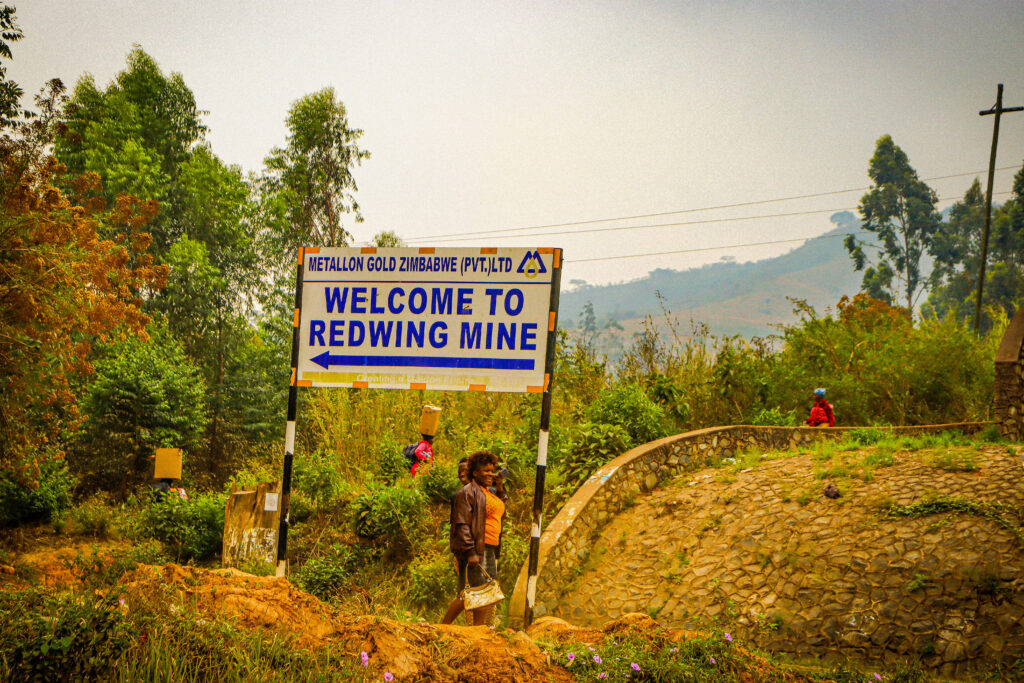
 Zimbabwe's biggest gold restart is already in motion
 The hum of high-capacity pumps echoing through the valleys of Penhalonga is more than just the sound of machinery at wo...
Top Story
 Young Investment Professional (YIP) Graduate Programme 2019
 Company Name Investec Asset Management Company Location Cape Town, Western Cape, South Africa Click HEREJob descriptionO...

 Young Investment Professional (YIP) Graduate Programme 2019

Editor's Pick