THE sugar industry is facing mounting uncertainty after Lowveld sugarcane outgrowers formally appealed for Government intervention, accusing Tongaat Hulett Zimbabwe of imposing unsustainable prices and suspending cane deliveries in a dispute threatening the livelihoods of thousands of farmers and workers.
At the centre of the standoff is a provisional sugarcane purchase price of US$61.83 per tonne for the 2026 season, down from US$71 last season despite rising production costs linked to fuel, fertiliser and labour.
The latest escalation emerged in a letter dated May 13, 2026, written by Lowveld farmer representative Mr Admore Hwarare to Agriculture, Mechanisation and Water Resources Development Minister Anxious Masuka.
Representing sugarcane outgrowers from Hippo Valley, Triangle and Mkwasine, Hwarare warned that the pricing dispute and suspension of cane deliveries threatened both the Lowveld economy and Zimbabwe's Vision 2030 development agenda.
"Sugarcane as a strategic crop for the country is under threat from economic saboteurs within the crop production value chain," Hwarare wrote.
He said farmers had endured years without a gazetted producer price but argued that the latest reduction ignored escalating operational costs.
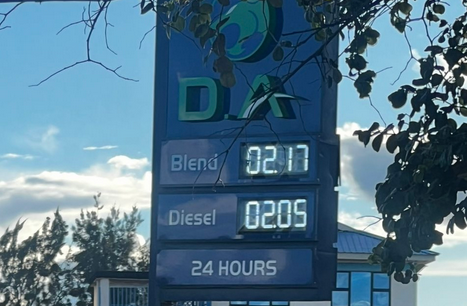
According to the correspondence, the price of a 50kg bag of urea fertiliser increased from US$31 to US$45, while diesel prices rose from US$1.14 per litre to US$2.07 per litre amid global market instability linked to tensions in the Middle East.
Mr Hwarare accused the miller of reducing prices at a time when growers were already under severe financial strain.
"Such decisions risk pushing farmers who are a major economic player out of business completely and reversing the economic gains realised by the Second Republic," the letter stated.
The dispute has exposed long-standing tensions within Zimbabwe's sugar sector, where Tongaat Hulett remains the dominant processor controlling milling infrastructure, cane procurement and much of the industry's pricing structure.
Farmers are also protesting against what they describe as a unilateral suspension of sugarcane deliveries under the Cane Purchase Agreement (CPA) system.
Mr Hwarare argued that the move violated existing agreements because growers were not consulted before deliveries were halted.
"The millers have an obligation to receive cane from growers from the beginning of the season to the end, regardless of the state of the agreement," he wrote.
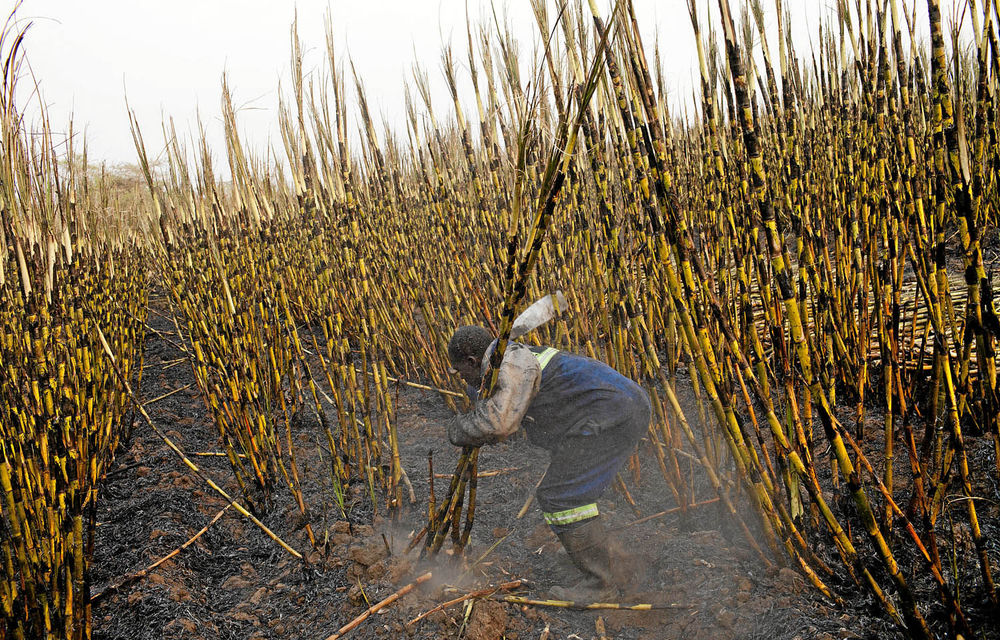
Growers warn that the suspension carries serious financial consequences because harvested cane rapidly loses weight and sucrose content if not milled quickly.
Mr Hwarare said standing cane across Triangle, Hippo Valley and Mkwasine was already over-maturing, exposing farmers to potentially heavy losses after significant investments in irrigation, fertiliser and labour.
He warned that prolonged disruptions could severely affect small-scale growers, A2 farmers, seasonal workers and entire communities dependent on the sugar economy in Masvingo Province.
"The sugar industry underpins the Lowveld economy," Hwarare said.
The latest tensions intensified after Tongaat Hulett Commercial Director Sylvester Mangani wrote to Zimbabwe Sugar Association chairman Dr T.R. Choruma-Dozwa on May 11 proposing a temporary arrangement while pricing negotiations continue.
In the letter, Mangani said the company would purchase cane from CPA farmers at the provisional price of US$61.83 per tonne between May 12 and June 12 pending a final determination by the Minister of Industry and Commerce.
Mangani said any future Government-approved adjustment would be backdated and farmers compensated for the difference.
"For this period the miller will pay the difference between the determined price and the provisional price," Mangani wrote.
However, the arrangement has failed to calm tensions among growers, who argue they remain in a weak negotiating position due to the lack of alternative buyers.
Agricultural economist Brian Mudondo said the dispute reflected broader structural weaknesses within Zimbabwe's sugar industry.
"When one processor controls the mills, export channels and pricing mechanisms, growers inevitably carry most of the production risks while having limited leverage over the final price," Mudondo said.
With negotiations still unresolved and cane continuing to lose value in the fields under the scorching Lowveld heat, growers fear the standoff could develop into one of the most serious crises the sugar industry has faced in recent years.
- The Herald




 Chamisa denies dismissing anti-CAB3 coalition
  Ramaphosa disowns 'shady' Chivayo
  Trump admin launches $166B tariff refund portal
  Gold-backed ETF set for VFEX debut
  Zimbabwe signals gradual interest rate cuts
  Zimbabwe govt defends Starlink rollout
  Young Investment Professional (YIP) Graduate Programme 2019
 Young Investment Professional (YIP) Graduate Programme 2019

Editor's Pick