Latest News




Top Story
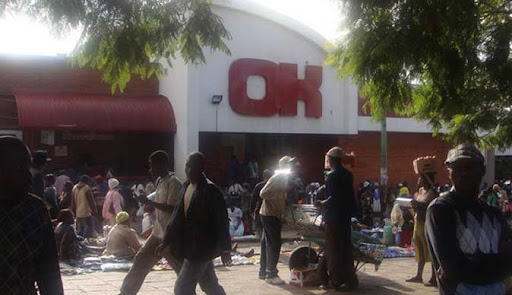
 OK Zimbabwe posts US$17,8 million loss
 Troubled retail giant OK Zimbabwe has reported a US$17.8 million loss for the half-year period ended September 30, 2025,...
Top Story
 Hichilema meets Chivayo
 Controversial Zimbabwean businessman Wicknell Chivayo on Thursday held a meeting with Zambian President Hakainde Hichile...
Top Story
 Millions celebrate Diwali festival in India
 MILLIONS of Indians are celebrating Diwali, the festival of lights, one of Hinduism's most significant and widely obser...
Top Story
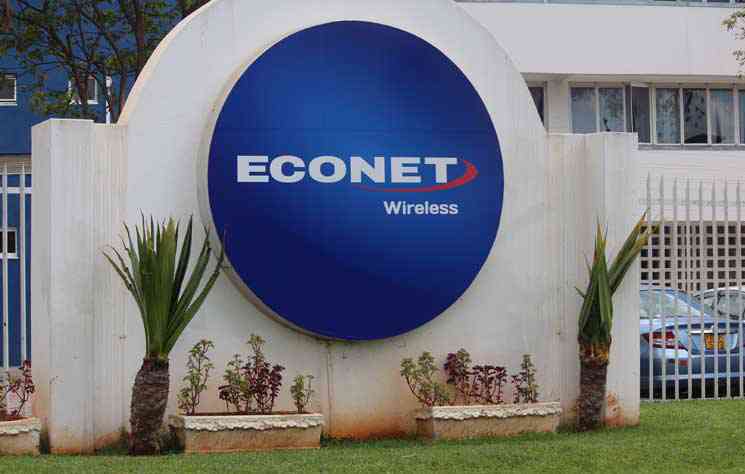
 Econet Zimbabwe to delist from ZSE
 Econet Wireless Zimbabwe Ltd. will voluntarily delist from the Zimbabwe Stock Exchange, citing a persistent valuation di...
Top Story
 Gold edges up as traders await guidance
 Gold edged higher as traders weighed the outlook for US monetary policy ahead of a key speech by Federal Reserve Chair J...
Top Story
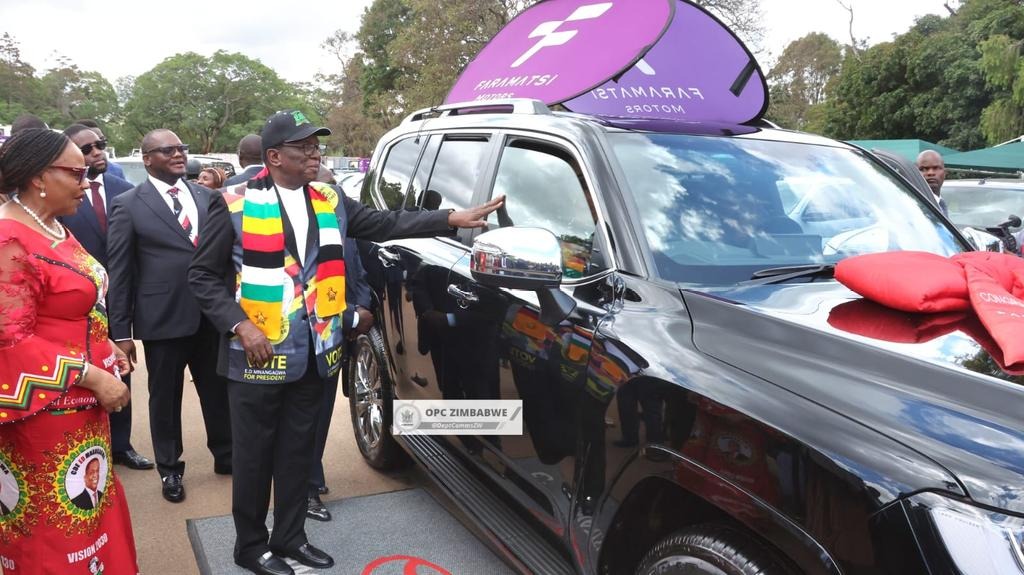
 Mnangagwa fires Chitando, appoints Polite Kambamura
 President Emmerson Dambudzo Mnangagwa has relieved Winston Chitando of his Cabinet duties and immediately appointed Poli...
Top Story
 Young Investment Professional (YIP) Graduate Programme 2019
 Company Name Investec Asset Management Company Location Cape Town, Western Cape, South Africa Click HEREJob descriptionO...


 Young Investment Professional (YIP) Graduate Programme 2019

Editor's Pick