Latest News



Top Story
 Zanu-PF sacrifices pro-Mnangagwa MPs
 The political battle over the Constitution of Zimbabwe Amendment Bill (No. 3) has taken a dramatic turn, with allegatio...
Top Story
 Ramaphosa disowns 'shady' Chivayo
 Cyril Ramaphosa's recent visit to Zimbabwe has reignited scrutiny over President Emmerson Mnangagwa's close business ass...
Top Story
 Trump admin launches $166B tariff refund portal
 The Trump administration on Monday launched a new system to begin refunding $166 billion in tariffs to U.S. importers af...
Top Story
 Zimbabwe to launch SME-focused exchange
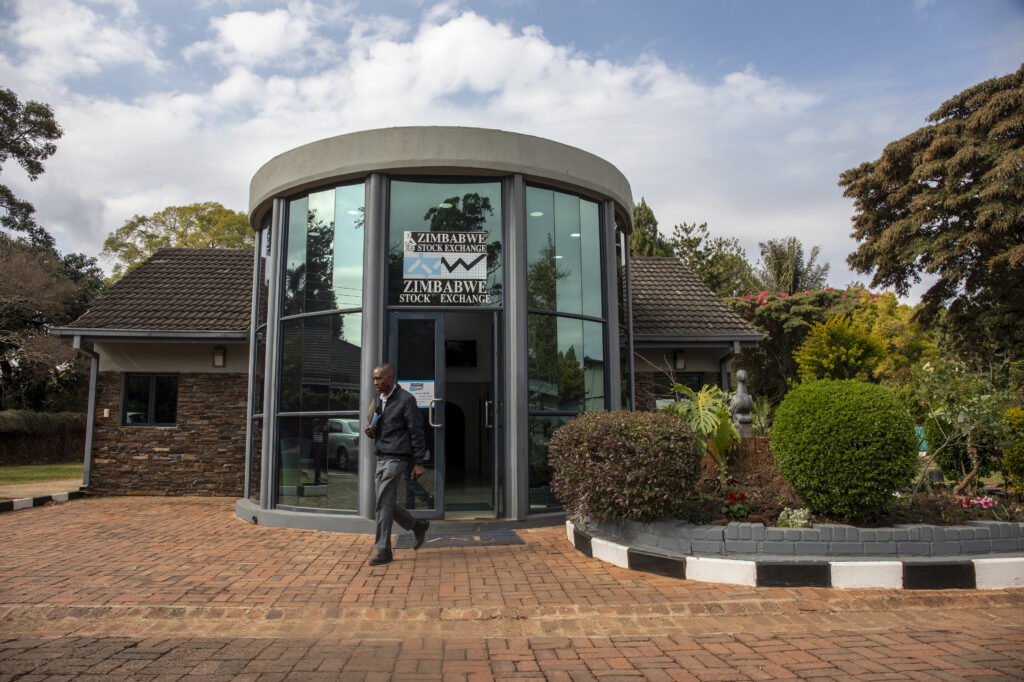
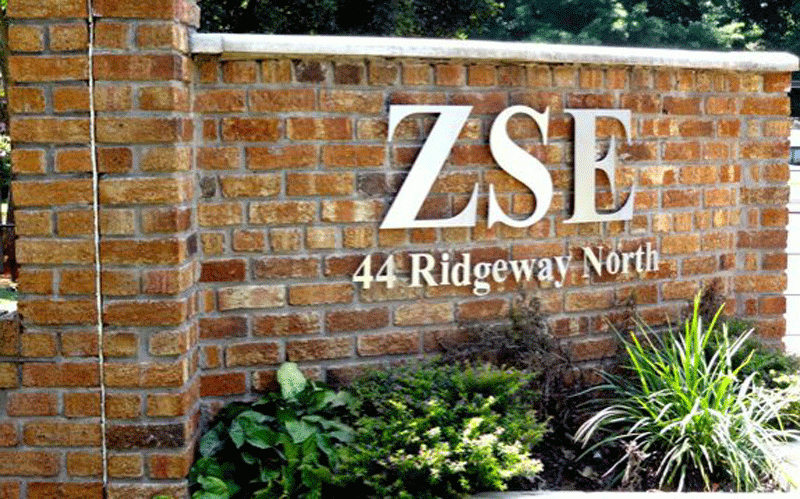
 The Zimbabwe Stock Exchange (ZSE) has received regulatory approval from the Securities and Exchange Commission of Zimbab...
Top Story
 Zimbabwe defends high interest rates
 The government has defended Zimbabwe's high interbank policy rate, arguing that strict monetary measures introduced in ...
Top Story
 Air Zimbabwe misses London flight deadline
 Air Zimbabwe will miss the June deadline for resuming direct flights between Harare and London, with the national carri...
Top Story
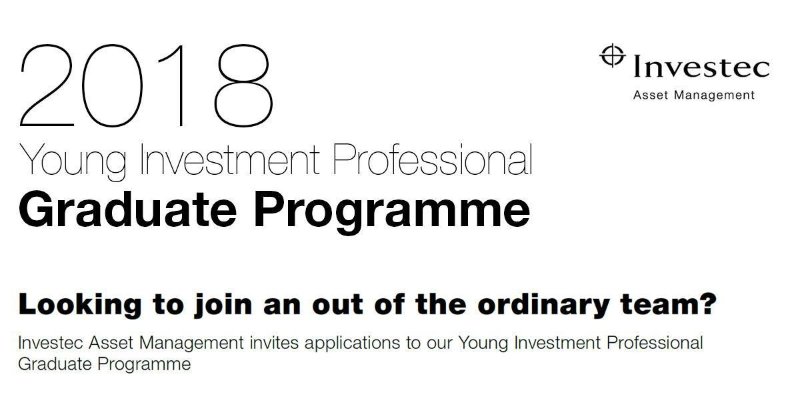 Young Investment Professional (YIP) Graduate Programme 2019
 Company Name Investec Asset Management Company Location Cape Town, Western Cape, South Africa Click HEREJob descriptionO...


 Young Investment Professional (YIP) Graduate Programme 2019

Editor's Pick