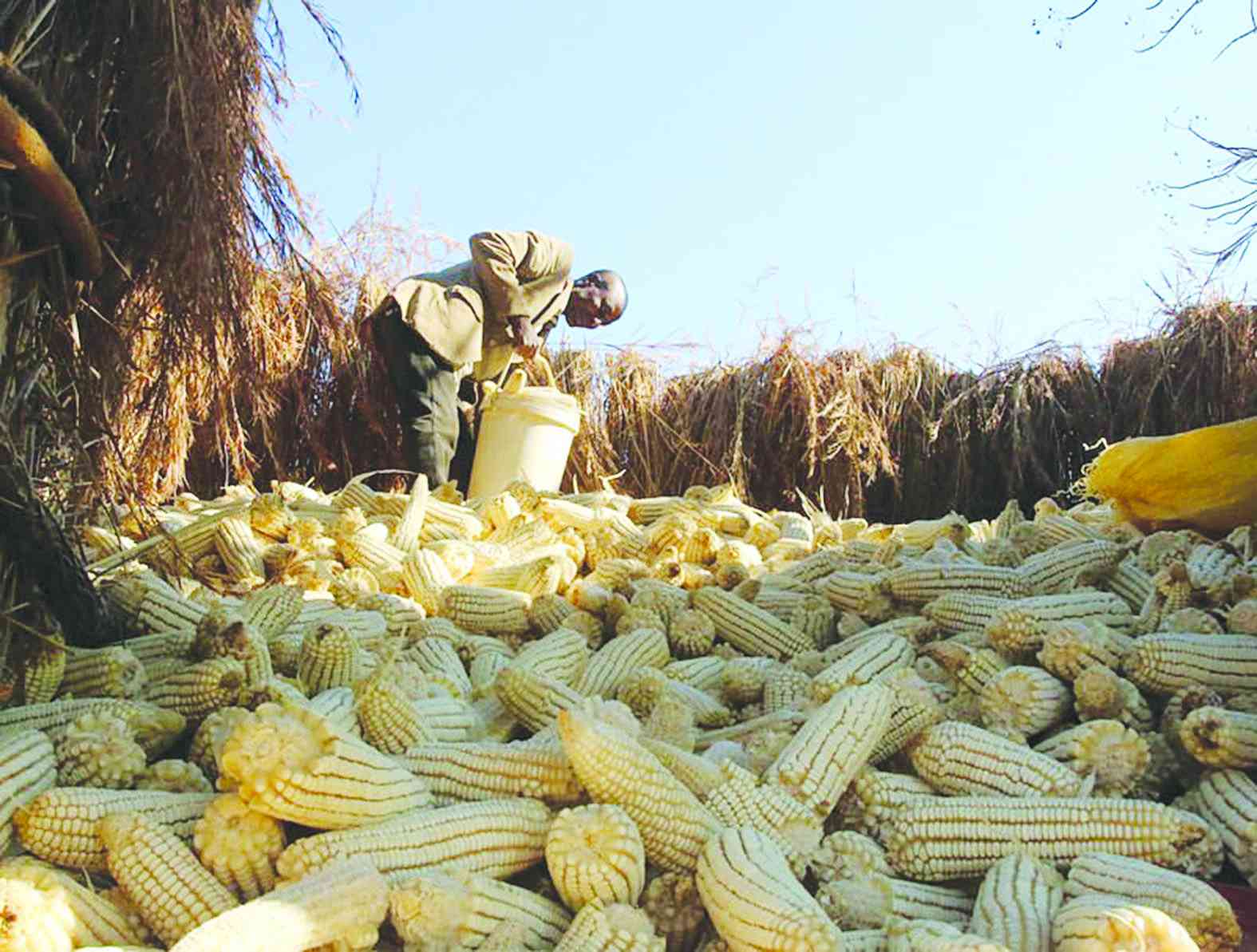
Zimbabwe has emerged as the single largest buyer of South African maize in the 2025–26 marketing year, even as it projects a significant domestic grain surplus - a contradiction that is now defining the outlook for Southern Africa's agricultural trade.
According to the South African Grain Information Service, Zimbabwe accounted for 38% of South Africa's maize exports as of 17 April 2026, absorbing approximately 741,000 metric tonnes out of a total 1.95 million tonnes shipped this season. The figures have been corroborated by Agbiz and agricultural economist Wandile Sihlobo.
Yet, just a day later, Zimbabwe's Cabinet approved a Second Round Crop Assessment projecting a cereal surplus of between 550,945 and 964,945 metric tonnes for the 2025–26 season, with total output estimated at 2.74 million tonnes.
While the figures appear contradictory, analysts say both are accurate - reflecting a timing mismatch between production cycles and trade flows.
South Africa's marketing year, which runs from May 2025 to April 2026, is based on grain harvested in the previous season. Zimbabwe's import demand during this period stems from its weaker 2024–25 harvest, not the current crop now being assessed.
Estimates from the United States Department of Agriculture placed Zimbabwe's 2024–25 maize output at around 1.3 million tonnes, while Zimbabwe National Statistics Agency recorded a higher figure of 1.82 million tonnes. Both fall short of the country's annual consumption requirement of about 2 million tonnes, creating an import gap that drove purchases from South Africa.
Sihlobo had projected as early as November 2025 that Zimbabwe would need to import roughly 700,000 tonnes - a forecast that proved largely accurate.
Historically, Zimbabwe accounts for about 18% of South Africa's maize exports. This season's 38% share represents a sharp deviation, driven by two factors: Zimbabwe's elevated import needs following a drought-affected prior season, and reduced demand from key Asian markets such as Vietnam, Taiwan and South Korea.
As those markets turned to cheaper global suppliers, Zimbabwe became a dependable buyer, effectively anchoring South Africa's export programme.
However, the shift exposed a structural vulnerability. South Africa's seasonal export target of 2.4 million tonnes fell short by roughly 450,000 tonnes, largely due to weak global demand rather than supply constraints.
If Zimbabwe's projected surplus materialises, it could dramatically alter trade patterns in the 2026–27 marketing year.
A harvest exceeding 2.35 million tonnes against domestic demand of 2 million tonnes would eliminate the need for imports - and potentially position Zimbabwe as a competitor in regional grain markets.
For South Africa, this raises the prospect of losing its most reliable African buyer at a time when global maize supplies from major producers such as the United States, Argentina and Brazil remain abundant and competitively priced.
The implications for South African farmers are significant. Maize prices have already declined by around 30% this season due to slow export uptake and expectations of a strong domestic harvest.
Should Zimbabwe withdraw from the import market, the oversupply could intensify, placing further downward pressure on prices and squeezing producer margins.
Zimbabwe's shifting position has also highlighted policy inconsistencies. Earlier in the season, authorities imposed a maize import ban to protect local farmers, only to reverse it when domestic shortages became evident.
With a surplus now projected, similar debates are expected to resurface - balancing farmer protection, market stability and strategic grain reserves.
Zimbabwe's dominant share of South African maize exports this season is widely seen as a temporary peak rather than a lasting trend.
If current production forecasts hold, the bilateral grain relationship between the two countries could shift sharply within months - from dependency to self-sufficiency.
For Zimbabwe, that would ease pressure on foreign currency reserves. For South Africa, it signals the loss of a key export market in an already challenging global environment.
The region's most important grain trade relationship is now approaching a critical turning point, with significant implications for both economies.
- online








 SAQA seeks Zimbabwe's help to clear verification backlog
  Mugabe son paid shooting victim R400k, court told
  Trump admin launches $166B tariff refund portal
  Gold-backed ETF set for VFEX debut
  Fuel shock drives Zimbabwe inflation higher
  ZITF 2026 generates over US$600 million in deals
  Young Investment Professional (YIP) Graduate Programme 2019
 Young Investment Professional (YIP) Graduate Programme 2019

Editor's Pick