Latest News




Top Story
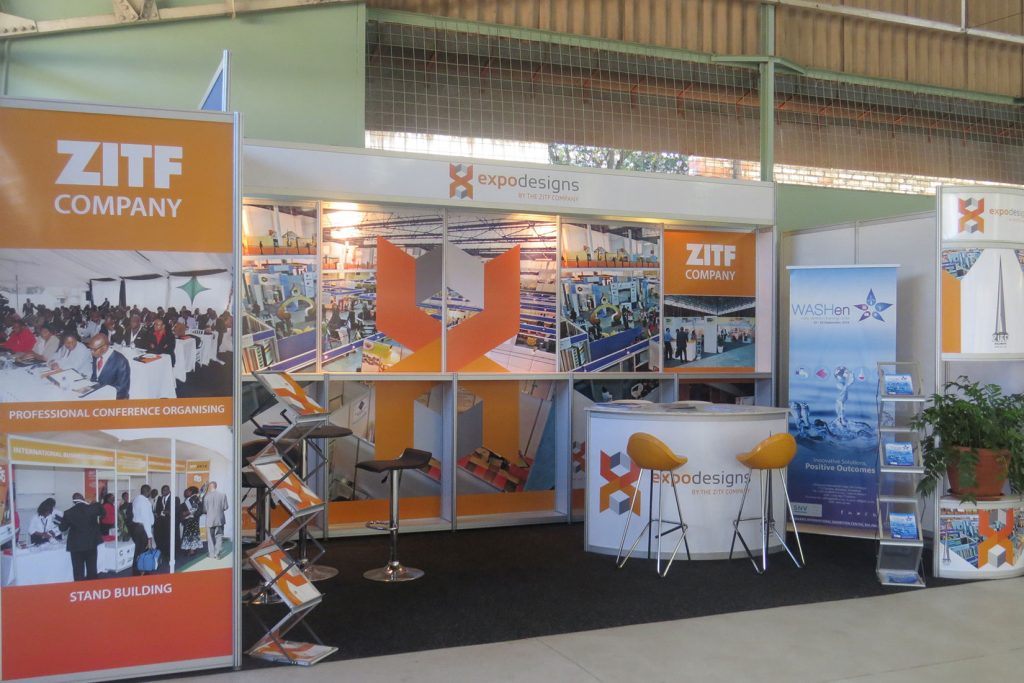
 Chivayo, Coltart clash over ZITF appearance
 Businessman Wicknell Chivayo has lashed out at Bulawayo mayor David Coltart following criticism over his high-profile ap...
Top Story
 Mugabe son paid shooting victim R400k, court told
 The Alexandra Magistrate's Court has heard that the youngest son of late former Zimbabwean president Robert Mugabe and ...
Top Story
 Trump admin launches $166B tariff refund portal
 The Trump administration on Monday launched a new system to begin refunding $166 billion in tariffs to U.S. importers af...
Top Story
 Gold-backed ETF set for VFEX debut
 First Mutual Holdings Limited (FMHL) has launched a US dollar-denominated investment product designed to give local inve...
Top Story
 Fuel shock drives Zimbabwe inflation higher
 Zimbabwe's inflation is accelerating across both currencies, signalling broad cost-of-living pressure rather than instab...
Top Story
 Afreximbank backs Zimbabwe fuel pipeline
 Zimbabwe is expected to benefit from a new US$3 billion facility announced by the African Export-Import Bank (Afreximban...
Top Story
 Young Investment Professional (YIP) Graduate Programme 2019
 Company Name Investec Asset Management Company Location Cape Town, Western Cape, South Africa Click HEREJob descriptionO...

 Young Investment Professional (YIP) Graduate Programme 2019

Editor's Pick