Across the stories you shared, Zimbabwe appears to be moving through a period where politics, the economy, governance, and public safety are all under simultaneous pressure, with institutions repeatedly being tested on how far they can adapt or enforce rules in practice.
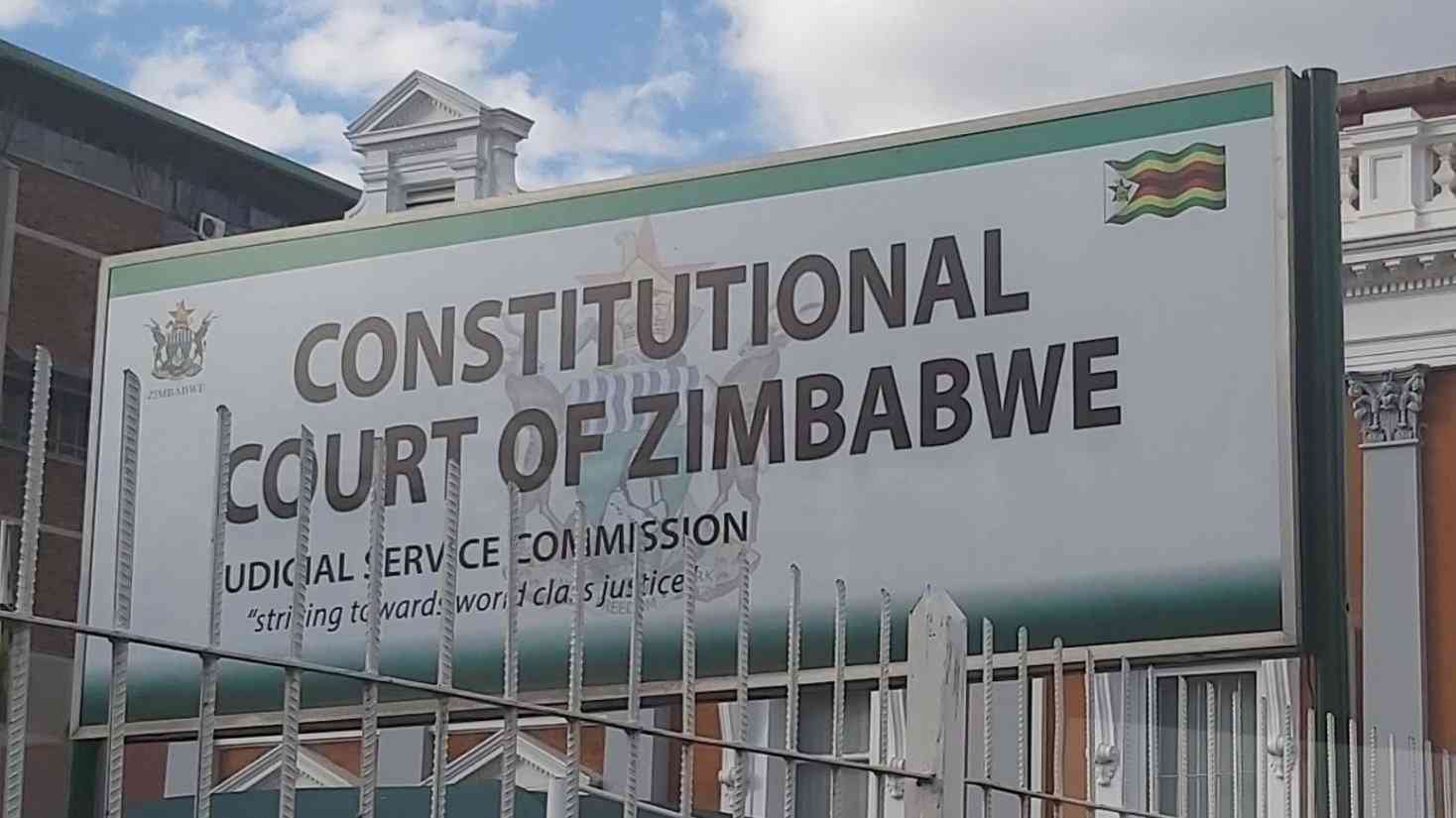
A central thread is the constitutional dispute currently before the Constitutional Court of Zimbabwe, where judges are weighing a challenge to Constitutional Amendment No. 3, which critics argue could reshape presidential term arrangements without direct voter approval. The case, involving war veterans and former opposition MP Prince Dubeko Sibanda, raises the question of whether Parliament can advance constitutional changes that potentially extend presidential tenure or whether such a move must be subjected to a referendum. Arguments presented in court focus on constitutional supremacy, voter rights, and whether the Executive acted within legal bounds when initiating the process. The bench has reserved judgment, while also probing whether the matter is premature or should only be decided after the full legislative process concludes. At the centre of the political controversy is President Emmerson Mnangagwa, with critics alleging that the proposed amendment risks personalising constitutional reform, while government arguments suggest Parliament remains the appropriate forum for decision-making at this stage.
Alongside the political tensions, the economy is showing a different but equally complex form of strain. Manufacturing firms are increasingly relying on the parallel market to obtain US dollars as formal foreign currency channels tighten, deepening concerns raised by industry groups such as the Confederation of Zimbabwe Industries. Exchange rate distortions between the official ZiG system and the parallel market are widening, and businesses say this is pushing up costs, especially for fuel, transport, and imported inputs. Inflation remains relatively contained in annual terms but is becoming more volatile month to month, largely due to external shocks and energy price pressures. At the same time, industrial developments such as Zimbabwe's growing steel output are reshaping regional trade flows, even as protectionist measures in neighbouring markets create new barriers. The result is an economy that is expanding in some industrial areas while simultaneously struggling with currency stability and predictable access to foreign exchange.
In governance and public administration, a pattern of institutional friction is also visible. Courts are handling cases ranging from corporate vehicle fraud to large-scale cash theft involving security companies, highlighting vulnerabilities in trust-based financial systems. Local authorities are facing growing public resistance over housing policies, such as the controversy in Gweru where council plans to sell state-linked housing units have been softened to prioritise sitting tenants amid fears of displacement. At the same time, petitions against elected officials, such as in Insiza's ward 23, reflect rising voter frustration with service delivery, accountability, and alleged misconduct at local government level. These disputes point to an ongoing struggle between administrative intent, public expectations, and the legal frameworks that govern local leadership.
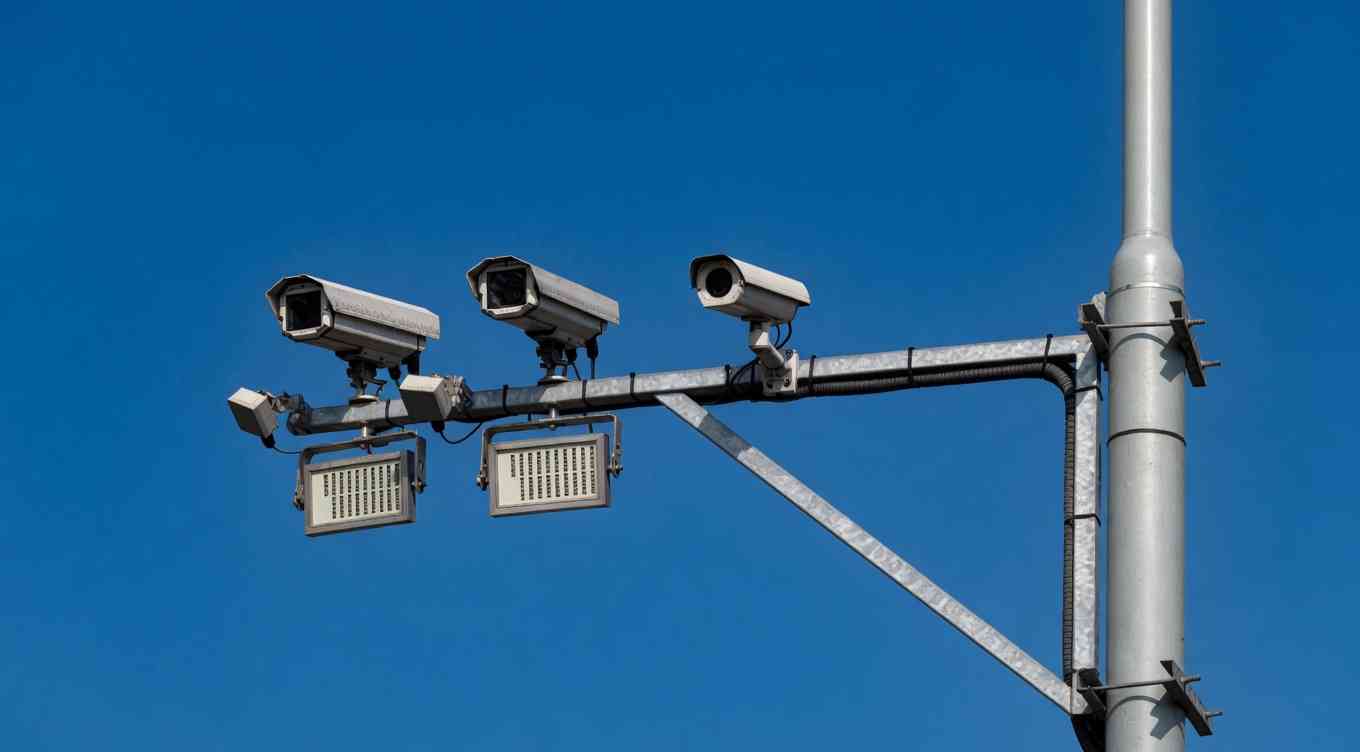
Public safety concerns are also increasingly prominent. Police operations targeting the carrying of knives and machetes in public spaces reflect an official response to rising violent crime, particularly in nightlife areas, mining communities, and residential zones where disputes can quickly escalate into deadly incidents. Communities such as Cowdray Park in Bulawayo are simultaneously calling for stronger neighbourhood watch systems, arguing that informal security structures need more support to address theft and break-ins. There is also growing advocacy for the use of surveillance technologies, including AI-enabled cameras, as part of broader efforts to improve traffic enforcement, reduce hit-and-run incidents, and strengthen evidence collection in criminal cases. These proposals reflect a broader shift towards technology-driven policing, especially in contexts where traditional enforcement methods are seen as overstretched.
Socially, broader debates about stability and cohesion are also emerging. In South Africa, civil society groups are pushing for action against anti-immigrant vigilante movements accused of fuelling xenophobia and violence, raising concerns about regional tensions and political mobilisation around migration. Meanwhile, within Zimbabwe itself, issues such as rising divorce cases are being framed by some commentators as evidence of weakening family structures, with religious and cultural interpretations emphasising the role of shared values and social cohesion in sustaining marriages. These narratives, though different in focus, both reflect anxiety about social fragmentation and the search for stabilising institutions.
Across sport and human interest, there are stories of both transition and adaptation. Zimbabwe's athletics bodies are struggling to coordinate diaspora-based relay teams due to logistical and financial constraints, leading to a greater reliance on locally based athletes who have recently achieved notable success, including strong performances at continental championships. In mixed martial arts, fighter Themba Gorimbo has announced his retirement after a career that drew international attention not only for his performances in the UFC but also for his personal story of hardship and eventual support from global figures.
Taken together, these developments point to a country navigating overlapping transitions: constitutional uncertainty at the political level, structural pressure in the economy, institutional strain in governance, and evolving approaches to security and social organisation.
- online



 'Zimbabwe economy stable despite external shocks'
  Ramaphosa disowns 'shady' Chivayo
  Trump admin launches $166B tariff refund portal
  Gold-backed ETF set for VFEX debut
  AfDB approves US$4m grant for Zimbabwe debt arrears process
  Zimbabwe pushes for direct Dubai-Victoria Falls link
  Young Investment Professional (YIP) Graduate Programme 2019
 Young Investment Professional (YIP) Graduate Programme 2019

Editor's Pick