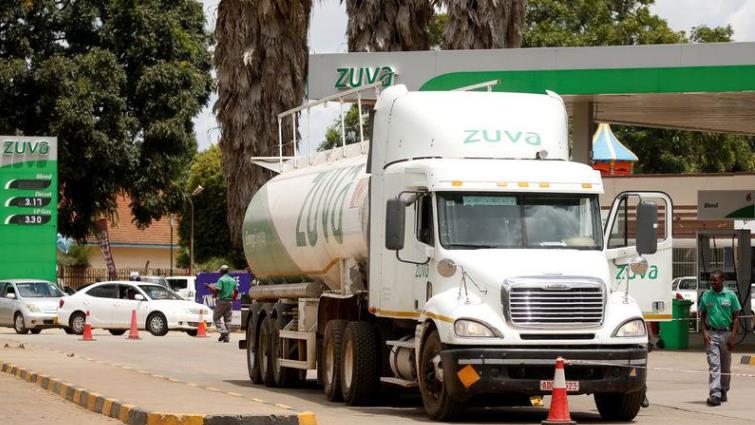
Zimbabwe has begun lowering fuel prices, with both petrol and diesel now selling below the US$2 per litre mark as international oil markets stabilise following the easing of tensions in the Middle East.
Speaking at the annual conference of the Chamber of Mines of Zimbabwe in Victoria Falls, Energy and Power Development Minister July Moyo said Government was reviewing pump prices in line with favourable developments on the global market while maintaining its commitment to ensuring uninterrupted fuel supplies.
"In the petroleum sector, you have seen what we have been doing. We increased prices when we were hit by the Straits of Hormuz; we were very hard hit here in Zimbabwe," Moyo said.
"When you look at the percentages, what we increased from where we were is the same as what everybody else increased, but we already had a petroleum product which was higher than normal, and we have maintained that we need security of supply."
The minister said Government's priority during the period of heightened global uncertainty was to guarantee fuel availability and avoid shortages.
"We don't want any queues anymore after the President eliminated them. But there is the cost side of things that we are tracking, and we hope that we can decrease," he said.
"You will see that this week, we are now below US$2, and we think the reviews that we are doing will lead us to where we need to go."
According to Moyo, President Emmerson Mnangagwa had directed the ministry to prioritise fuel security during the period of disruption caused by instability in the Middle East.
The Strait of Hormuz, one of the world's most important oil shipping routes, carries roughly a fifth of global oil supplies and became a focal point of international concern during recent tensions, prompting fears of supply disruptions and sharp increases in crude oil prices.
The uncertainty pushed international oil prices sharply higher, with Brent crude at one stage exceeding US$100 per barrel. Zimbabwe's fuel prices subsequently climbed to around US$2.23 per litre for petrol, increasing costs for businesses and consumers.
Throughout the period, authorities implemented a range of measures aimed at cushioning the economy, including maintaining strategic fuel reserves, introducing tax relief interventions and increasing ethanol blending ratios from E5 to E20 to reduce reliance on imported fuel.
With international supply chains now normalising and oil prices retreating, local fuel industry players have welcomed the recent reductions.
Fuel industry representative McKenzie Dongo said the easing of prices would provide relief to both consumers and fuel operators.
"As fuel industry players, we welcome the cushioning of fuel users which was extended by the Government when the Strait of Hormuz was closed," Dongo said.
He added that the reopening of the shipping route and lower international crude prices should support further reductions in local fuel costs.
"Prices eased during the last Zera review but remained above the US$2 mark. With this week's international market reduction and stabilisation, we expect both petrol and diesel to fall further below the US$2 benchmark," Dongo said.
"For us as industry players, it eases pressure on working capital requirements, which had been seriously strained because of the earlier supply-induced increases."
The Zimbabwe Energy Regulatory Authority (Zera) is expected to announce its next official fuel price review in the coming days, with industry participants anticipating additional reductions if global oil prices continue their downward trend.
The decline in fuel prices is expected to provide relief across the economy by lowering transport and production costs while easing inflationary pressures on households and businesses.
- The Herald





 Mzembi claims his phone was hacked
  South African businesses struggling
  Trump admin launches $166B tariff refund portal
  ZSE's reform gamble
  Zimbabwe inflation holds below 5%
  Econet's Smart4U Bundle draws customer backlash
  Young Investment Professional (YIP) Graduate Programme 2019
 Young Investment Professional (YIP) Graduate Programme 2019

Editor's Pick