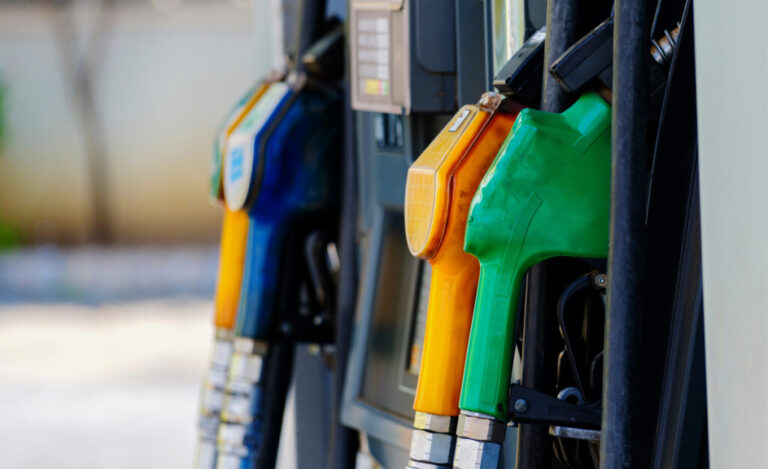
Service stations in Bulawayo have started accepting payments in the Zimbabwe Gold (ZiG), signalling growing confidence in the local currency as Government intensifies efforts to stabilise and entrench its use across the economy.
The development marks a notable shift from the resistance that followed the ZiG's introduction in April 2024 by the Reserve Bank of Zimbabwe (RBZ), when adoption in key sectors such as fuel remained limited.
The move comes as Government steps up measures to mainstream the currency, including requiring a portion of taxes and public-sector transactions to be settled in ZiG. This forms part of a broader strategy to reduce reliance on foreign currencies, particularly the United States dollar.
A snap survey by news crews observed motorists purchasing fuel using ZiG at selected service stations, although transactions are currently being conducted under controlled conditions.
Industry players say transactions are being processed at varying exchange rates, reflecting prevailing market dynamics and operational considerations. Most service stations are limiting the number of ZiG transactions processed at any given time, with caps placed on the volume of local-currency sales.
"We have started accepting ZiG at our station. However, we limit transactions and mostly deal with large corporate clients that deposit funds for fuel purchases on account. While volumes are controlled, the system is working smoothly and we are serving motorists efficiently using the local currency," said a fuel attendant who declined to be named.
Another attendant noted cautious optimism, saying internal exchange rates are being applied while systems are closely monitored.
"Accepting ZiG has brought convenience to clients who earn in local currency. For now, we are limiting daily transactions to ensure proper monitoring and accountability," the attendant said.
Motorists have welcomed the development, describing the process as efficient.
"I managed to buy fuel using ZiG and the process was quite seamless. It's a welcome development, especially for those of us who earn in local currency, although one has to be mindful of the exchange rate at each station," said Mr Charles Phiri.
Business leaders say expanding the use of ZiG in critical sectors is key to restoring confidence and stabilising the economy. Confederation of Zimbabwe Retailers president Denford Mutashu said wider acceptance would strengthen the currency's role within the multi-currency system.
"The ZiG is a national sovereign currency. Expanding its usage across sectors strengthens its demand and confirms its growing stability. Service stations that are accepting ZiG are demonstrating both confidence and progressiveness," he said.
Economic analysts say the move, though still limited, represents an important milestone in the currency's gradual integration into everyday transactions. Bulawayo-based analyst Reginald Shoko noted that fuel retailing has historically been one of the most dollarised sectors.
"Fuel has largely been sold in foreign currency, so even limited acceptance of ZiG is a meaningful step. It reflects growing confidence and signals potential for wider adoption as stability improves," he said.
The ZiG, backed by gold reserves and foreign currency holdings, was introduced as part of sweeping monetary reforms aimed at restoring public trust after years of currency volatility. Economists say adoption in high-demand sectors such as fuel is central to achieving long-term monetary stability and reducing dollarisation pressures.
RBZ Governor John Mushayavanhu recently acknowledged concerns over the limited circulation of ZiG notes, particularly in southern regions where the US dollar and South African rand dominate transactions. He said the central bank has deployed teams to promote acceptance and build confidence in the currency.
Dr Mushayavanhu added that improving foreign exchange management systems, ensuring stable exchange rate dynamics and enhancing access to foreign currency for legitimate business needs remain critical to supporting the ZiG's long-term viability.
Due to its proximity to South Africa, Bulawayo and surrounding provinces continue to rely heavily on the rand and US dollar, especially in informal trade, with ZiG largely confined to formal electronic transactions.
However, improving policy consistency, tighter monetary controls and increased gold reserves backing the currency are beginning to stabilise the exchange rate, creating a more predictable operating environment for businesses.
- The Herald




 Chamisa rules out backing another military coup
  New R2 and R5 coins entering circulation in South Africa
  Trump admin launches $166B tariff refund portal
  Zimbabwe to launch SME-focused exchange
  Zimbabwe defends high interest rates
  Maize slips, but grain market holds firm
  Young Investment Professional (YIP) Graduate Programme 2019
 Young Investment Professional (YIP) Graduate Programme 2019

Editor's Pick