Latest News

Top Story
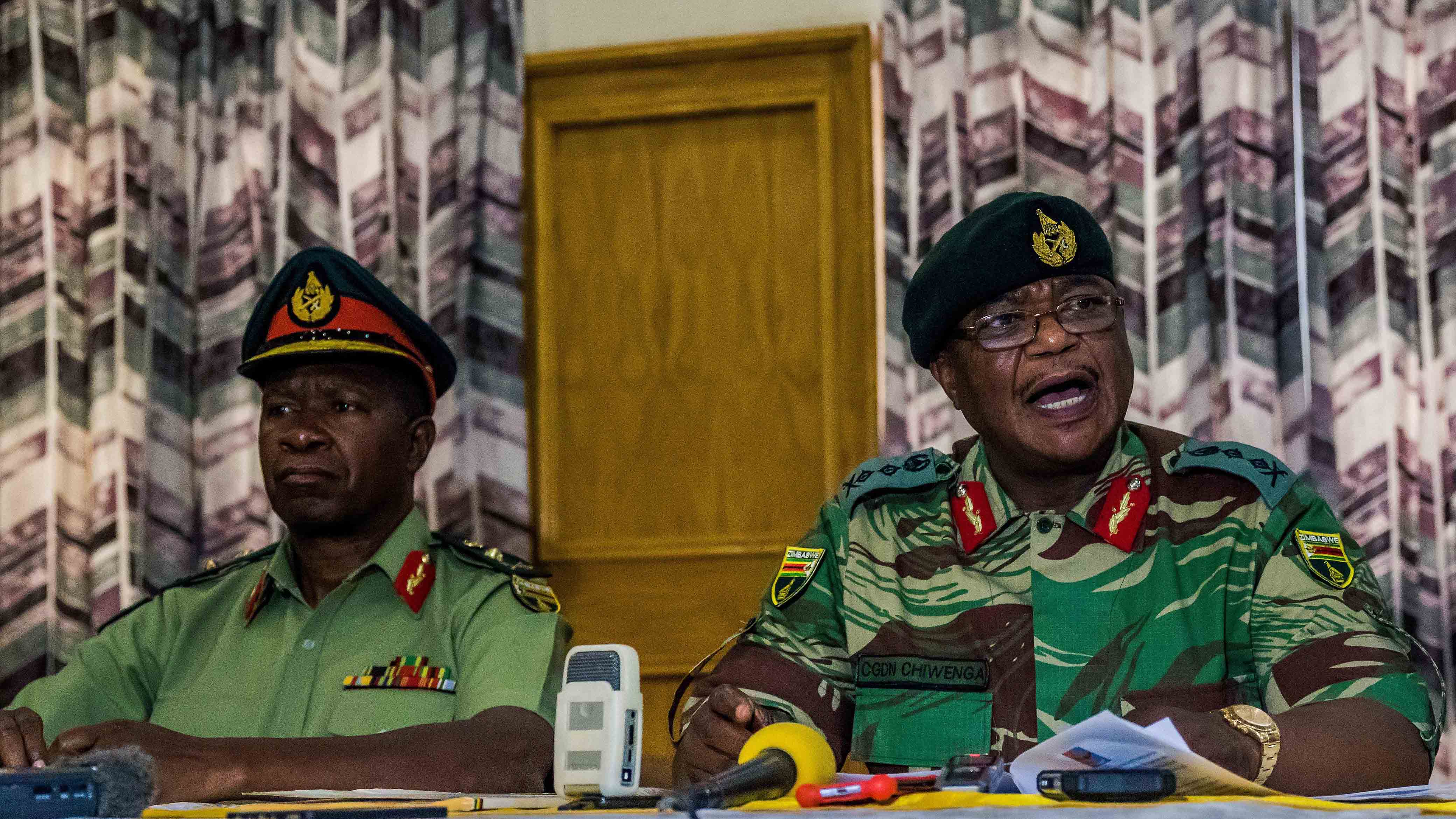
 Chamisa rules out backing another military coup
 Former Citizens Coalition for Change (CCC) leader Nelson Chamisa has publicly declared that he would not support anothe...
Top Story
 New R2 and R5 coins entering circulation in South Africa
 The South African Reserve Bank (SARB) has gazetted the designs and specifications of new commemorative R2 and R5 coins t...
Top Story
 Trump admin launches $166B tariff refund portal
 The Trump administration on Monday launched a new system to begin refunding $166 billion in tariffs to U.S. importers af...
Top Story
 Zimbabwe to launch SME-focused exchange
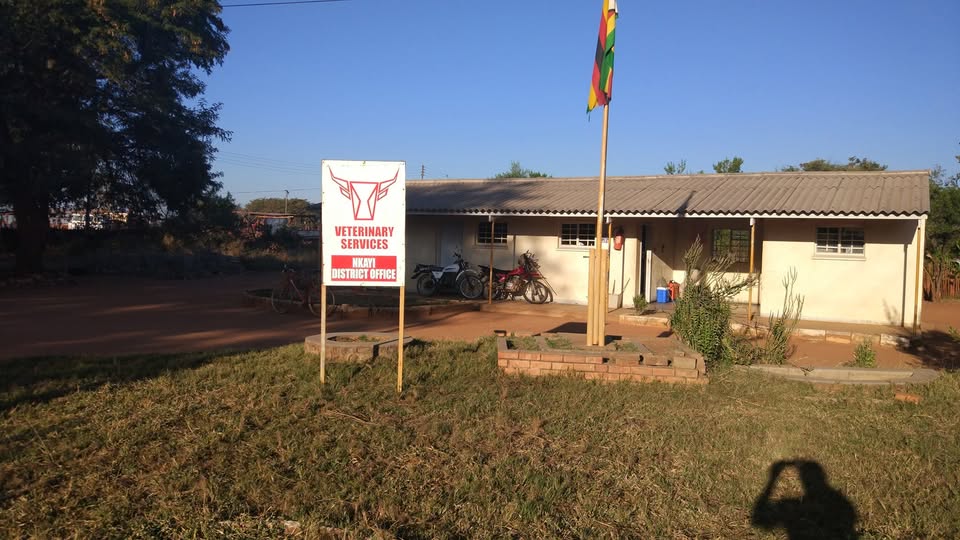
 The Zimbabwe Stock Exchange (ZSE) has received regulatory approval from the Securities and Exchange Commission of Zimbab...
Top Story
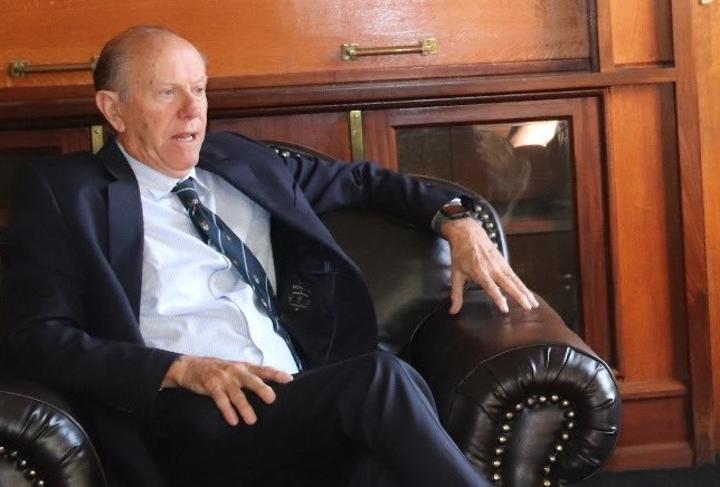
 Zimbabwe defends high interest rates
 The government has defended Zimbabwe's high interbank policy rate, arguing that strict monetary measures introduced in ...
Top Story
 Maize slips, but grain market holds firm
 Commodity prices on the Zimbabwe Mercantile Exchange (ZMX) remained firm during the week ending June 6, supported by st...
Top Story
 Young Investment Professional (YIP) Graduate Programme 2019
 Company Name Investec Asset Management Company Location Cape Town, Western Cape, South Africa Click HEREJob descriptionO...

 Young Investment Professional (YIP) Graduate Programme 2019

Editor's Pick