Zimbabwe recorded a sharp rise in fuel consumption in the first quarter of 2026, underscoring growing pressure on the country's foreign currency reserves and highlighting deep structural dependence on imported energy, according to data released by the Zimbabwe Energy Regulatory Authority.
Diesel demand rose by 20.2%, jet fuel increased by 19.4%, and liquefied petroleum gas (LPG) grew by 4.5%, while petrol consumption declined by 6.5% following price increases in March that curtailed usage.
The latest figures come against the backdrop of rising annual fuel imports, with Zimbabwe spending US$1.86 billion in 2025 - an 18% increase from 2024 - on 2.1 billion litres of fuel. ZERA projects total consumption could reach 2.5 billion litres in 2026 if current trends persist.
The most significant movement remains in diesel, which accounted for more than 70% of total fuel consumption in 2025. Analysts say the continued 20.2% rise in Q1 2026 points to sustained reliance on diesel generators across industry, commerce, and essential services.
Frequent electricity disruptions from the national grid operator have driven factories, hospitals, and commercial buildings to rely heavily on backup diesel systems to maintain operations. This has effectively turned diesel into a parallel power supply for the economy.
The trend highlights the indirect cost of electricity shortages, with billions of dollars in foreign currency spent annually not on growth-enhancing investment, but on compensating for unreliable grid power.
Jet fuel consumption rose 19.4% in the first quarter, signalling increased airline activity and a gradual recovery in tourism and regional travel.
The growth suggests rising passenger traffic linked to tourism promotion efforts and improved regional connectivity. However, it also increases pressure on foreign currency reserves, as aviation fuel remains a fully imported input.
LPG consumption continues its long-term expansion, rising 4.5% in Q1 2026 and increasing by more than 750% over the past decade.
The shift reflects widespread household and small business adoption of gas as an alternative to unreliable electricity and traditional biomass fuels. While this transition has reduced reliance on firewood and improved indoor air quality, it has also created a rapidly expanding import-dependent energy market.
Petrol consumption fell sharply after price increases in March, dropping more than 20% in a single month. The 6.5% quarterly decline highlights the sensitivity of consumer behaviour to fuel pricing, particularly in personal transport.
The reduction is expected to have broader economic effects, including lower mobility, higher transport costs for goods, and reduced activity in informal trade sectors reliant on daily movement.
If current trends continue, Zimbabwe's fuel import bill could exceed US$2.2 billion in 2026, placing additional strain on foreign currency availability.
The growing fuel demand reflects what analysts describe as a structural imbalance: an economy increasingly powered not by domestic electricity generation, but by imported diesel, petrol, LPG, and aviation fuel.
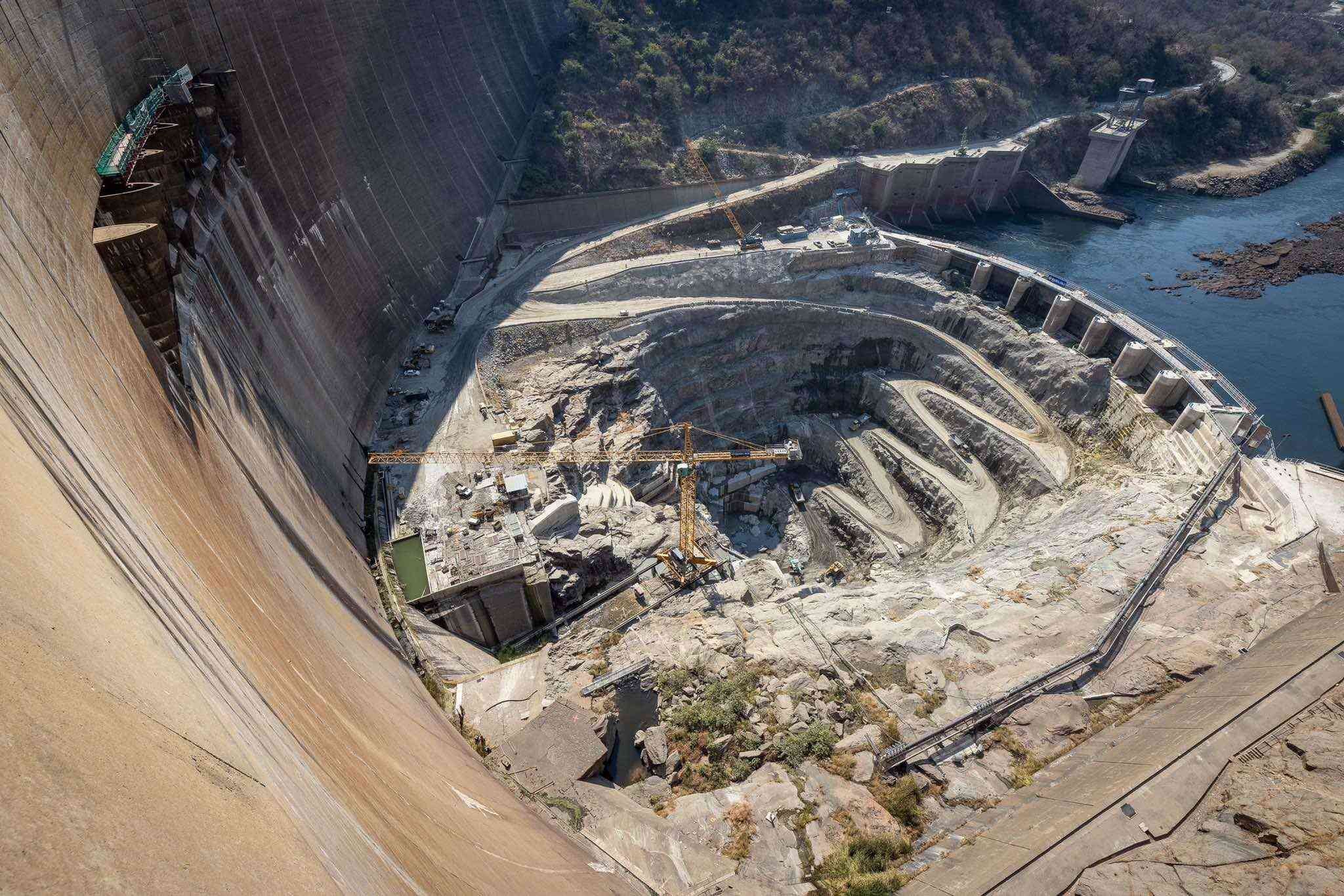
Zimbabwe's rising fuel consumption comes despite significant renewable energy potential, including solar, hydro, and wind resources that remain underutilised.
The data suggests that without major improvements in electricity generation capacity and energy diversification, fuel imports will continue to rise, reinforcing dependence on external markets to sustain domestic economic activity.
- online

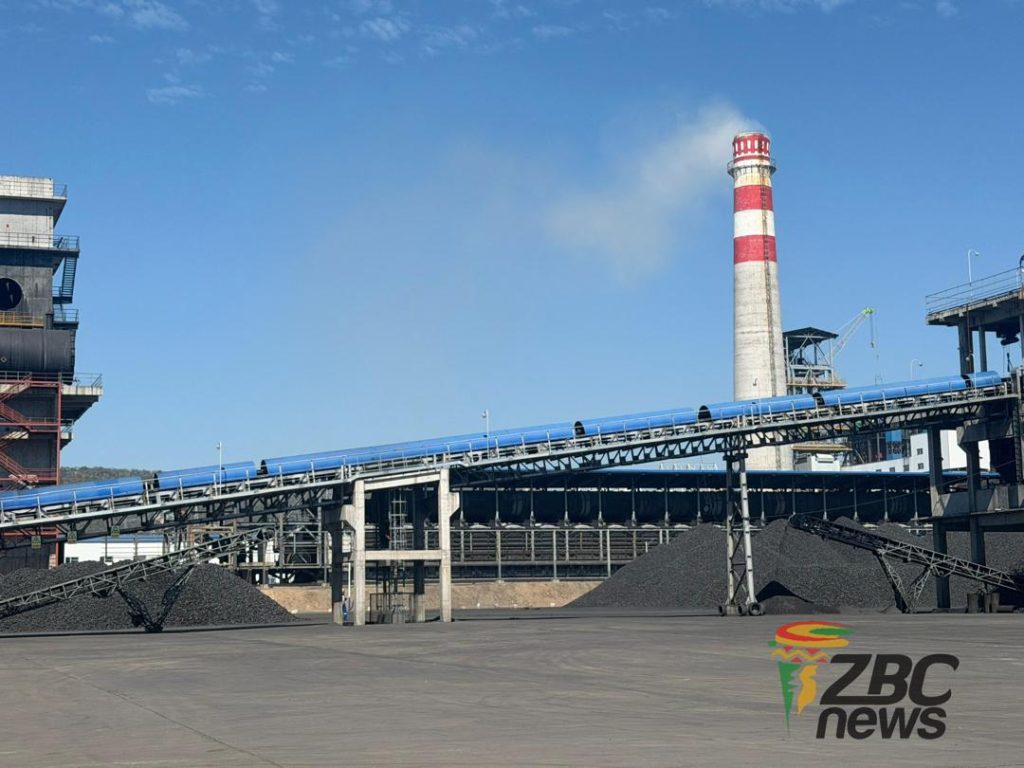






 Hwange industrial project boosts power
  Ramaphosa disowns 'shady' Chivayo
  Trump admin launches $166B tariff refund portal
  Gold-backed ETF set for VFEX debut
  EU seeks deeper economic ties with Zimbabwe
  Fidelity moves to formalise small-scale gold miners
  Young Investment Professional (YIP) Graduate Programme 2019
 Young Investment Professional (YIP) Graduate Programme 2019

Editor's Pick