Latest News




Top Story
 Minute Maid rolls out free tollgate promotion during ZITF
 Minute Maid has launched a "Tollgate Happy Hour" activation offering free highway passage and refreshments to motorists ...
Top Story
 DRC bans US dollar cash payments
 The Central Bank of the Congo has said individuals and businesses were no longer be allowed to make or receive payments ...
Top Story
 Trump admin launches $166B tariff refund portal
 The Trump administration on Monday launched a new system to begin refunding $166 billion in tariffs to U.S. importers af...
Top Story
 Gold-backed ETF set for VFEX debut
 First Mutual Holdings Limited (FMHL) has launched a US dollar-denominated investment product designed to give local inve...
Top Story
 Zimbabwe's currency is undervalued by nearly half
 Zimbabwe's currency is undervalued by almost half, the governor of the central bank said, pointing to the foreign reserv...
Top Story
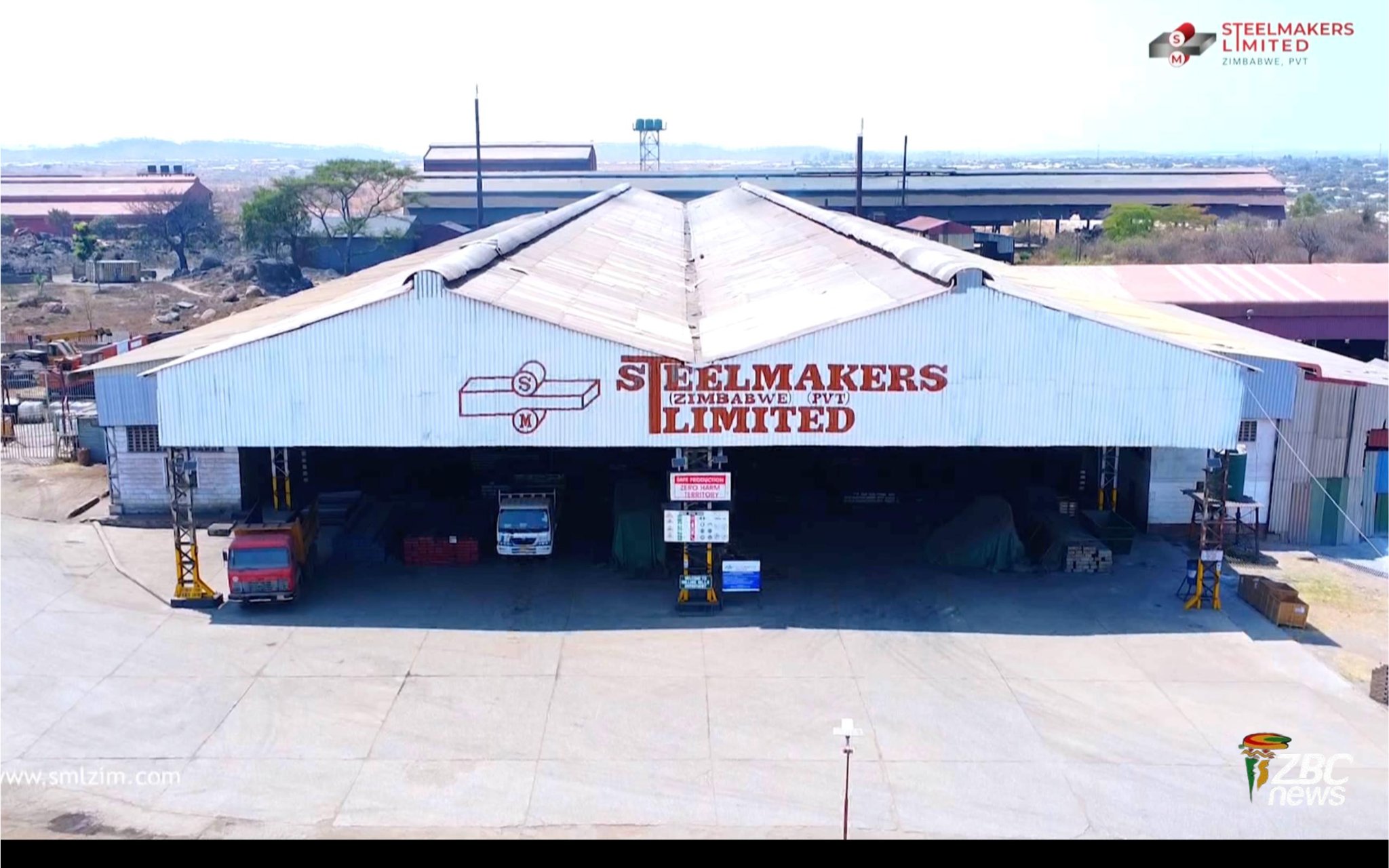
 Zimbabwe's Steelmakers ramp up production
 As Zimbabwe accelerates its industrialisation agenda, Steelmakers Limited is emerging as a key player in efforts to scal...
Top Story
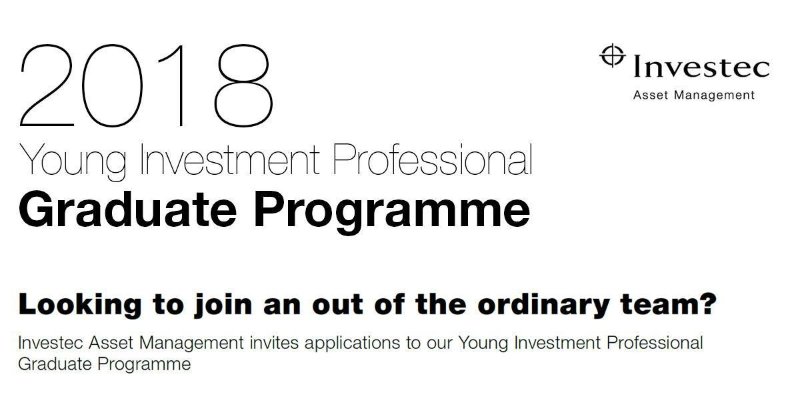 Young Investment Professional (YIP) Graduate Programme 2019
 Company Name Investec Asset Management Company Location Cape Town, Western Cape, South Africa Click HEREJob descriptionO...

 Young Investment Professional (YIP) Graduate Programme 2019

Editor's Pick