Zimbabwe is projecting a national cereal surplus of between 550,945 and 964,945 metric tonnes through to March 2027, underpinned by an estimated total cereal output of 2.74 million metric tonnes for the 2025/2026 summer season.
The figures were presented to Cabinet in a report by the Minister of Agriculture, Mechanisation and Water Resources Development on 21 April 2026 and approved at the Eleventh Cabinet Meeting. The report covered the Second Round Crop, Livestock and Fisheries Assessment, highlighting a broad-based recovery across cereals, oilseeds, livestock, horticulture and industrial crops.
The projected surplus marks a significant turnaround from the food insecurity challenges experienced in 2024, when drought conditions linked to El Nino severely affected production across the region. Authorities say the recovery reflects improved rainfall patterns, expanded irrigation, and continued rollout of climate-smart farming under programmes such as Pfumvudza/Intwasa.
Maize, the country's staple crop, remains central to the outlook. Cabinet data places projected maize output at 2.35 million metric tonnes for the 2025/2026 season. When measured against verified post-harvest figures from the Zimbabwe National Statistics Agency (ZIMSTAT), which recorded 1,819,819 metric tonnes for the previous season, the new projection represents a strong rebound in production.
National annual maize consumption is estimated at between 1.8 and 2 million metric tonnes, meaning the current output outlook provides a comfortable buffer above domestic demand, with potential to rebuild strategic reserves.
Cabinet further indicated that total grain availability, including strategic stocks, could reach 2.876 million metric tonnes, strengthening national food security and reducing reliance on imports.
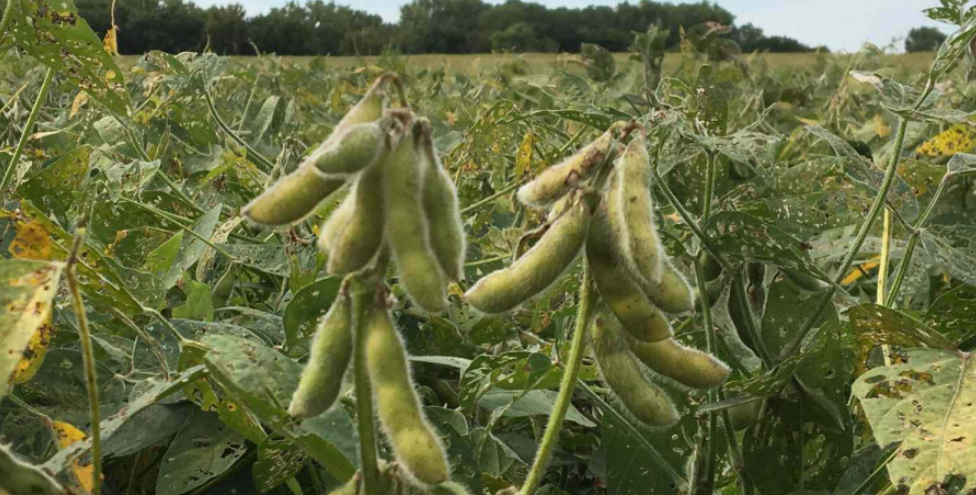
Beyond maize, the most notable growth was recorded in soyabeans, which surged by 129% to an estimated 96,129 metric tonnes from 41,919 metric tonnes the previous season. The increase is expected to ease pressure on the stockfeed and edible oil industries, which rely heavily on soya imports.
Industry analysts say the stronger domestic soya output could reduce import costs for livestock feed producers and support the poultry sector, which remains one of the fastest-growing segments of the agro-industrial value chain.
Cotton production is also estimated to rise by 26% to 77,212 metric tonnes, while tobacco output is projected at 378,322 metric tonnes, up 7% from the previous season. Tobacco remains Zimbabwe's leading agricultural foreign currency earner.
Cabinet also noted the need to strengthen marketing systems and ensure timely payments to farmers, particularly in the cotton sector, where delayed payments have historically affected production incentives. The state-linked cotton value chain operator is expected to undergo reforms aimed at improving efficiency and restoring farmer confidence.
The agricultural recovery is expected to support broader economic stability by reducing food import bills, boosting rural incomes, and strengthening foreign currency inflows from export crops such as tobacco and cotton.
Authorities say sustaining the momentum will depend on continued investment in irrigation, predictable pricing frameworks, and improved input supply systems ahead of the 2026/2027 season.
- online







 Minute Maid rolls out free tollgate promotion during ZITF
  DRC bans US dollar cash payments
  Trump admin launches $166B tariff refund portal
  Gold-backed ETF set for VFEX debut
  Zimbabwe's currency is undervalued by nearly half
  Zimbabwe's Steelmakers ramp up production
  Young Investment Professional (YIP) Graduate Programme 2019
 Young Investment Professional (YIP) Graduate Programme 2019

Editor's Pick