Zimbabwe's platinum group metals (PGM) sector is drawing renewed attention from global miners, with Impala Platinum Holdings (Implats) reportedly weighing fresh investment options in long-stalled projects such as Hartley and Darwendale, while also exploring partnerships linked to Tharisa's Karo development.
The renewed interest comes decades after BHP's costly withdrawal from the Hartley Complex in 1999, a project that famously delivered only about US$40 million in returns against roughly US$585 million in spending over a 10-year period. Despite that history, Implats now sees potential value in revisiting the asset, largely due to its proximity to existing infrastructure feeding the Zimplats operations.
Following BHP's exit, Hartley's processing facilities were repurposed to handle ore from the Ngezi deposit, forming the backbone of what became Zimplats - now 87% owned by Implats. That integration has made Hartley less of a standalone gamble and more of a possible brownfield extension of an established system.
"We've looked at it before and walked away when better options existed," Implats corporate affairs head Johan Theron said, noting that Hartley is "now on the radar screen."
Alongside Hartley, the Darwendale project - first launched in 2014 as a US$450 million Russian-Zimbabwean venture - has re-emerged in a scaled-down form under Kuvimba Mining House's Great Dyke Investments. The current plan focuses on a US$50 million open-pit operation, but it still lacks processing infrastructure, creating an opening for Implats to potentially provide downstream capacity.
Theron described Darwendale as "close to us," signalling that discussions around processing partnerships remain active.
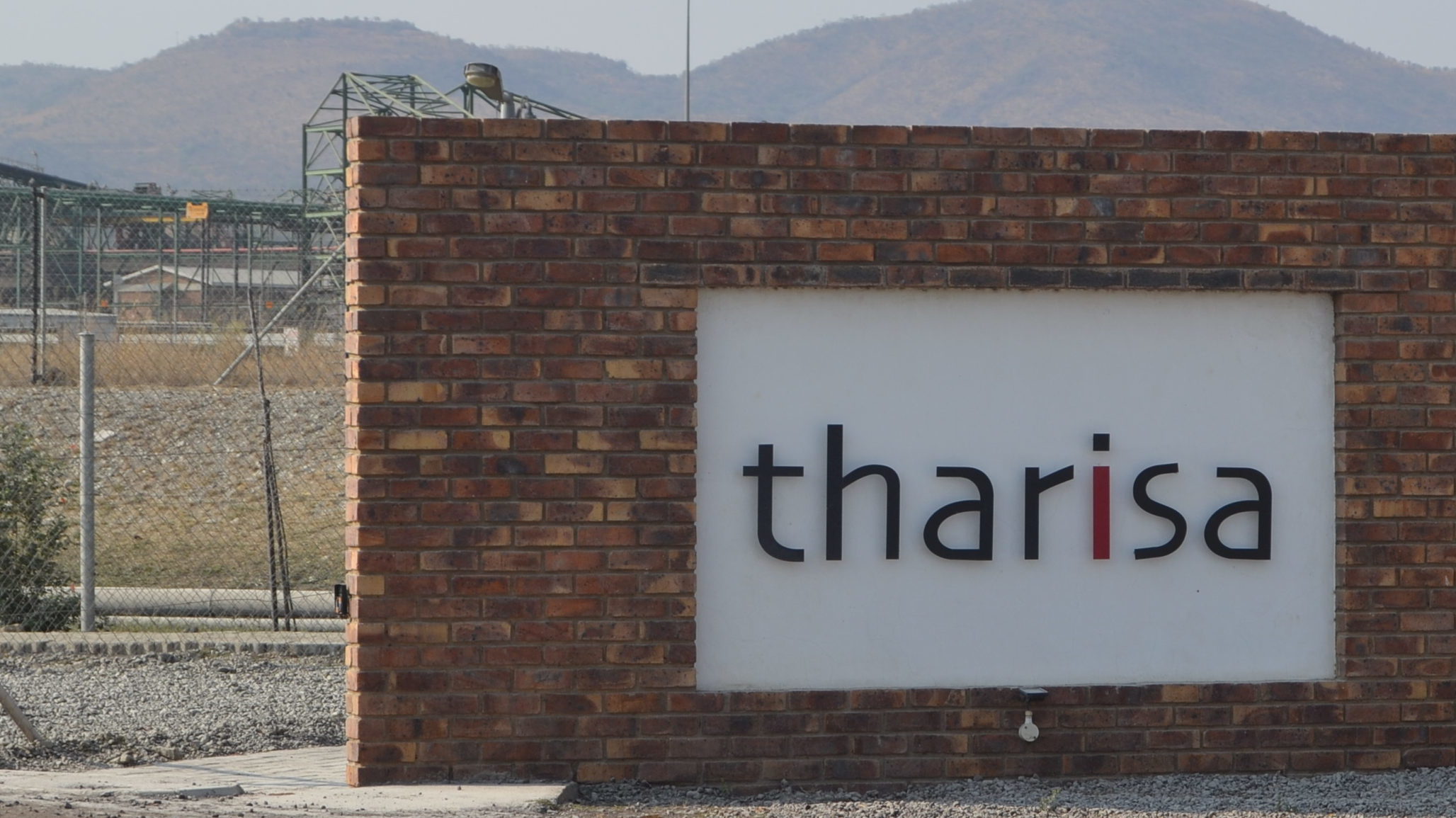
Meanwhile, Tharisa is advancing its US$545 million Karo Platinum project, which could produce about 226,000 ounces of PGMs annually once fully developed. The company is seeking a mix of strategic equity partners and lenders to close remaining funding gaps.
Tharisa CEO Phoevos Pouroulis said investor interest is growing, including from North American and European private equity funds increasingly focused on "security of supply" in critical minerals.
However, Zimbabwe's investment climate remains complex. Challenges include delayed repatriation of dividends and foreign currency earnings, with some miners reporting significant outstanding export proceeds. In addition, policy requirements around partial repatriation in Zimbabwe's ZiG currency continue to concern investors.
Despite these constraints, industry players see long-term upside. Tharisa estimates that its Karo land package alone contains up to 96 million ounces of PGMs, with further upside from deeper underground resources.
"This is one of those multigenerational assets where production could continue for over a century," Pouroulis said.
As exploration begins to intensify, Zimbabwe's PGM sector appears to be entering a new phase - one defined less by greenfield ambition and more by the careful revival of past megaprojects using modern capital, infrastructure reuse and strategic partnerships.
- Financial Mail




 State not ready to prosecute Biti
  DRC bans US dollar cash payments
  Trump admin launches $166B tariff refund portal
  African Sun delists from VFEX
  Zimbabwe's currency is undervalued by nearly half
  Econet faces scrutiny over EcoCloud promotion confusion
  Young Investment Professional (YIP) Graduate Programme 2019
 Young Investment Professional (YIP) Graduate Programme 2019

Editor's Pick