Latest News






Top Story
 'Zimbabwe economy stable despite external shocks'
 The Zimbabwean economy has remained broadly resilient in the first quarter of 2026 despite rising global uncertainty dri...
Top Story
 Ramaphosa disowns 'shady' Chivayo
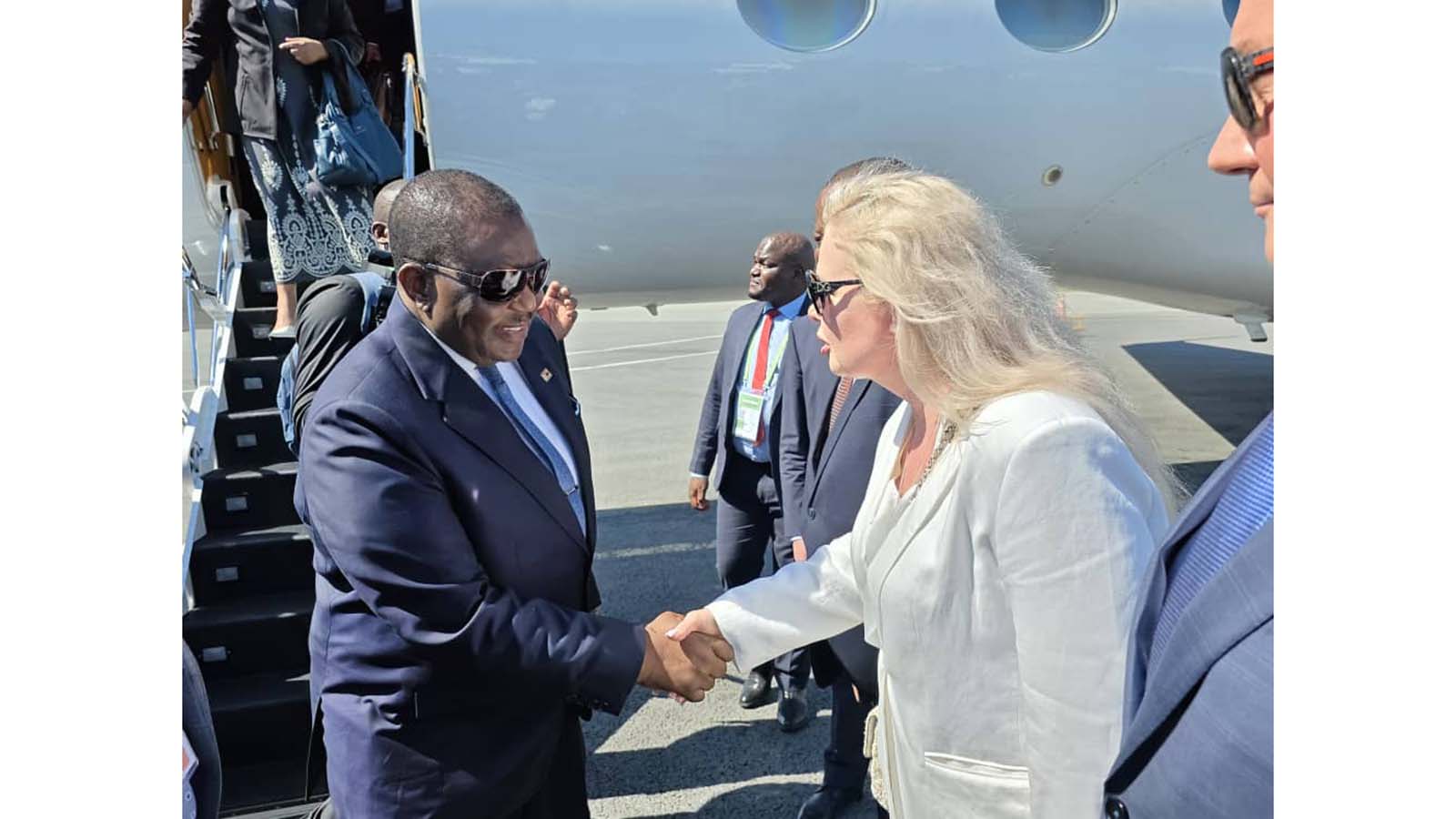
 Cyril Ramaphosa's recent visit to Zimbabwe has reignited scrutiny over President Emmerson Mnangagwa's close business ass...
Top Story
 Trump admin launches $166B tariff refund portal
 The Trump administration on Monday launched a new system to begin refunding $166 billion in tariffs to U.S. importers af...
Top Story
 Gold-backed ETF set for VFEX debut
 First Mutual Holdings Limited (FMHL) has launched a US dollar-denominated investment product designed to give local inve...
Top Story
 AfDB approves US$4m grant for Zimbabwe debt arrears process
 The African Development Bank Group has approved a US$4 million grant to support Zimbabwe's debt arrears clearance and r...
Top Story
 Zimbabwe pushes for direct Dubai-Victoria Falls link
 A Zimbabwean delegation is in the United Arab Emirates (UAE) holding negotiations aimed at establishing a direct air rou...
Top Story
 Young Investment Professional (YIP) Graduate Programme 2019
 Company Name Investec Asset Management Company Location Cape Town, Western Cape, South Africa Click HEREJob descriptionO...

 Young Investment Professional (YIP) Graduate Programme 2019

Editor's Pick